
Psychoanalytically Informed Online Psychotherapy or Psychoanalysis in Areas With No Local Providers
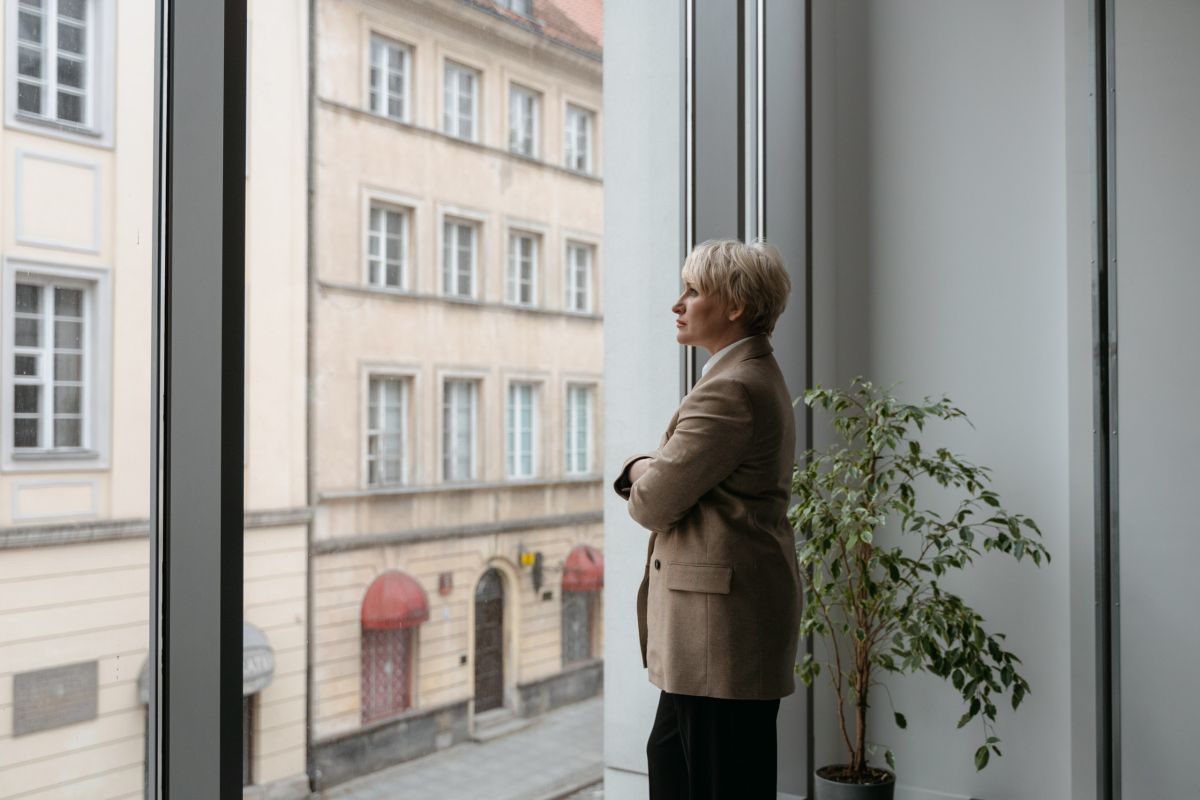
There is a particular difficulty that accompanies living at a distance—not only geographically, but also in relation to what mental health infrastructure exists.
For many expats, or individuals who live in certain areas, the problem is primarily that qualified psychotherapists or psychoanalysts are not available at all; in others, services may exist but be limited, episodic, or geared mainly toward short-term symptom reduction rather than sustained clinical inquiry.
Bridging a structural gap in access to depth-oriented care
When there is a lack of experienced professionals, their can be consequences for psychological wellbeing. People may experience long waits, fragmented treatment episodes, or a mismatch between what they need and what is offered. For expats, these barriers often come with additional layers: language constraints, cultural differences, bureaucratic friction, and the emotional strain of relocation. In these circumstances, access to reliable online psychotherapy or psychoanalysis can be more than a simple convenience –– well-practiced, it can function as an effective route into depth-oriented treatment.
At the same time, it is important to avoid a simplistic claim that “online therapy is exactly the same as in-person.” The label covers many different practices, and clinical quality is not determined by the medium alone. Whether remote treatment is truly therapeutic depends on the same determinants that govern good in-person work: clinical competence, ethical safeguards, a coherent therapeutic frame, sustained attention to the therapeutic relationship, and a modality-consistent approach to the work.
That said, a clinically honest account should acknowledge that in-person sessions offer a greater sensory density and perceptive richness than online sessions: the psychoanalyst can pick up on subtle non-verbal cues —how the patient occupies space, posture shifts, timing and rhythm, micro-expressions, changes in breath and voice, smell, and the felt “temperature” of affect in the room— that can contribute to how meaning unfolds. These non-verbal channels can support the psychoanalyst’s perception of what is happening in the treatment, and they can enrich how the analyst tracks the evolving relationship between internal experience and external communication. For some patients, they can also afford a greater sense of being safely contained in the psychoanalyst’s physical and emotional space.
However, it would be equally inaccurate to conclude that good work cannot be done online. A trained psychoanalyst can still develop a close clinical attunement through the perceptive channels that remain available on video or by phone, including tone of voice, pacing, pauses, the patient’s capacity for free association and emotional disclosure, and the relational dynamics expressed through speech timing and attention. What matters is not so much whether every sensory cue is present, but rather whether the psychoanalyst can use what is available, while maintaining an appropriate frame and method.
In fact, some patients may find that remote work provides a more stable and psychologically contained environment, especially when privacy and logistical disruption are managed carefully, or when physical proximity is emotionally overwhelming for them. Even though a hybrid approach is not always possible, it is helpful, where feasible, to include some in-person sessions during the course of an online treatment. In-person meetings can assist with the establishment of a felt therapeutic presence and strengthen the alliance through embodied familiarity. They can also help certain relational dynamics settle into a stable context. This does not replace the need for consistent online structure; rather, it can support continuity and will tend to facilitate the emergence, or intensification of emotionally relevant material.
When “no one nearby” effectively means “no one at all”
A lack of local services can affect more than convenience. Delays in access can worsen distress and entrench defense mechanisms, particularly for people with anxiety, depression, trauma-related symptoms, persistent negative relationship patterns, grief, or rigid internal cycles of self-doubt. When care is scarce, people may also experience repeated starts and stops in treatment, which can intensify vulnerability and make it harder to sustain the slow development of insight that depth-oriented work requires.
In settings without psychoanalytic providers, people may find that available services do not align with the depth orientation they seek. Some local clinicians may be competent and caring but work primarily in ways that focus mainly on immediate functioning rather than the sustained exploration of unconscious dynamics, repetitive relational patterns, and the interpretive development of insight over time. Brief and supportive interventions can be clinically useful, but they may not meet the needs of clients specifically looking for the methodical rigor associated with psychoanalysis and psychodynamic psychotherapy. For people drawn to psychoanalysis, the absence of local resources can therefore be both practical and existential: it limits not only access, but access to a way of thinking and working with emotional complexity.
For these reasons, online psychoanalytic work can provide a structured and continuity-based alternative. Yet a key point should remain explicit: remote psychoanalytic treatment is not automatically equivalent to in-person treatment. It requires deliberate clinical design, including clear boundaries, careful contract setting, robust attention to confidentiality, and a psychoanalyst capable of maintaining analytic rigor within digital conditions.
Remote care can be clinically robust, not merely “good enough”
There is a common assumption that therapy conducted via video or telephone will be less effective, less personal, or less psychologically “real.” That belief is understandable because human beings naturally associate physical presence with safety, authenticity, and immediacy, which is natural since we evolve in a social embodied context. However, clinical effectiveness is influenced less by the distance itself than by the quality of the work and the integrity of the therapeutic process.
Good quality online psychotherapy is not informal conversation –– it is treatment delivered with professional responsibility and clinical method. When done properly, online therapy can preserve essential therapeutic factors: an alliance built through empathic attunement, a consistent approach to assessment and goals, and careful engagement with emotional material as it emerges. For psychoanalysis, the requirements are even more precise: the analytic frame depends on continuity, stable scheduling, boundaries, the conditions of speech, and careful attention to the relationship that develops between analyst and analysand. Online psychoanalysis can support these elements when the psychoanalyst is trained for remote work and when the frame is maintained with seriousness.
Additionally, some patients benefit from the reduced disruption that distance can create. If local travel is difficult or the logistics of attending sessions interfere with the mental space needed for reflection, remote sessions can improve consistency and protect the internal conditions required for depth work. In other words, the medium is not the decisive variable. Clinical adequacy depends on method, ethics, and the therapist’s capacity to sustain analytic attention with care.
The expat experience: why treatment can be both more difficult and more necessary
Expats often bring psychological themes that local services may not be prepared to address in a depth-oriented way. Even when clinicians are kind and experienced, relocation can shape how distress presents. Language barriers affect not only how people explain their situation, but how they emotionally narrate their experience. A person may understand conceptual material in a second language yet still struggle to convey emotional nuance, and that nuance often matters clinically because it can be a gateway into deeper psychological material.
Cultural displacement can also create a distinctive form of emotional disorientation. People may experience layered grief—grief for a place, grief for a version of the self, grief for a rhythm of time, grief for belonging itself. Some experience shame about longing alongside frustration that they have to seek help. Others develop a state of hypervigilance related to social fitting—remaining alert to being misunderstood, judged, or excluded. Even when external circumstances appear stable, the internal psychological experience may remain precarious.
Practical pressures add their own weight. Work uncertainty, visa constraints, family role changes, separation from extended support networks, and administrative healthcare complexity can contribute to chronic stress. In relationships and family systems, differences in expectations about integration, long-term planning, and cultural norms can intensify conflict. For many expats, these themes surface indirectly through avoidance patterns, recurring relationship dynamics, or cycles of anxiety and self-doubt.
In this context, it can be especially valuable to connect with a clinician who understands the psychological meaning of displacement. Online psychotherapy enables expats to work with someone who shares an appropriate therapeutic orientation and can often accommodate the client’s preferred language. The most important benefit, however, is not only logistical. It is relational: the possibility of being met by someone who can hold complexity without prematurely simplifying it.
Defining what “quality” means in remote psychotherapy
Quality in remote mental health care is not a slogan. It is an operational standard that can be assessed. “Excellent,” “highly competent,” and “clinically rigorous” refer to the clinician’s ability to deliver treatment with reliability and ethical integrity across the duration of care.
Clinical competence is the first requirement. A therapist who presents as psychoanalytic or psychodynamically oriented should have relevant training and actual practice. They should be able to describe their approach clearly and specifically rather than using vague language. If someone claims psychoanalysis but offers a loosely structured, purely conversational format, the client should be prepared for modality mismatch. Depth work requires conceptual clarity and method consistency.
Ethical safeguards are the second requirement. Remote therapy requires explicit attention to confidentiality, secure communication channels, privacy planning, and clear procedures for disruptions or connection failures. A competent provider discusses what happens if someone enters the room, if interruptions occur, or if urgent clinical risk emerges. The care given to ethical preparation often separates careful clinicians from those who treat online delivery as an afterthought.
A coherent therapeutic frame matters as well. Even when sessions are not rigid in a technical sense, the work should still be structured enough to support psychological development. Timing, agreed frequency, cancellation policies, fees, and communication rules should be specified. In psychoanalysis, the frame is not incidental; it is foundational to how the analytic process becomes possible.
Attentiveness to the therapeutic relationship remains essential. Video-based work changes certain aspects of attention and presence, including how non-verbal cues are perceived and how emotional timing feels. Good psychotherapists acknowledge these changes, do not deny them, and use what they can perceive responsibly. They remain warm without losing boundaries, and boundaried without becoming cold.
Cultural and linguistic attunement is clinically relevant too. Expats should not have to repeatedly “perform” cultural explanation in order to be emotionally understood. A high-quality therapist can work with the psychological meaning of identity conflict, language switching, and displacement even if the therapist is not from the same cultural background, provided they approach culture as psychological material rather than as a checklist of facts.
How to choose a suitable clinician: questions that protect treatment integrity
When local options are limited, the search process can feel uncertain. Some people move quickly and settle for the first available professional out of urgency, hoping that anything will be better than nothing. While relief is genuinely important, a better approach is to match the clinician to the kind of work you actually need.
Begin by clarifying what you want treatment to accomplish. Some people mainly seek symptom reduction, emotional stabilization, and coping support. Others seek deeper investigation of recurring internal conflicts, relational patterns, trauma dynamics, identity formation, and unconscious repetition. Psychoanalysis is often sought for these depth-oriented aims, but many clients need both practical relief and long-term transformation. Stating your primary needs early helps prevent disappointment later.
You should also ask how the therapist works online. Experienced clinicians explain how they maintain the alliance remotely, how they handle technical interruptions, and what confidentiality measures are expected. They discuss what you can reasonably expect and what the therapist will do to sustain continuity.
Experience with distance therapy can be a useful indicator, but it is not the only marker. Clinical seriousness can be shown through transparent planning, responsible ethical handling, and the ability to explain how the remote frame is maintained. The interpersonal fit is also clinically meaningful. Depth-oriented work requires tolerating complexity and resisting premature reassurance. A therapist who can engage discomfort, curiosity, and repetition without rushing to closure is often a better match for psychoanalytic treatment.
Finally, logistics matter in a practical way: time zones, stable scheduling, and your ability to preserve privacy during sessions all influence clinical quality. Remote treatment works best when the conditions for attention are protected.
Security and privacy: teletherapy must feel psychologically safe
For expats, privacy is not merely a technical or legal requirement. It is often an emotional requirement. In environments where anonymity is limited, people may feel exposed even in their own homes. Fear of being overheard by family members, recognized by colleagues, or judged due to stigma can inhibit disclosure and affect how safe a person feels with their own emotional truth.
High-quality online providers handle these concerns proactively. They use secure communication tools. They encourage the client to create a private setting and may offer guidance on camera placement and room setup. They also clarify what to do if someone enters the room and how to proceed if interruptions occur unexpectedly.
Safety is also clinical. If risk increases or a crisis emerges, remote care should include clear procedures consistent with professional ethical standards. Remote therapy should not be an escape from responsibility; it should be care delivered with responsible contingency planning.
Cultural and linguistic attunement: meaning is psychological, not only linguistic
Language in therapy is never neutral. It shapes emotional expression and the way thoughts become communicable. Expats sometimes switch languages during daily life, but the emotional “register” does not always translate the same way. Feelings may have words in one language that do not exist—or do not carry the same resonance—in another. Cultural meanings may also be misunderstood if clinicians approach them only as facts rather than as lived psychological experience.
A clinically excellent therapist treats these issues as part of the therapeutic material. They respond with curiosity and interpretive caution rather than insisting on perfect phrasing. They may work in the client’s preferred language when possible, or they may collaboratively explore how meaning shifts as language shifts.
Cultural attunement also means understanding how relocation affects attachment, time perception, and identity continuity. People may grieve “before” and “after,” and they may experience divided loyalties—loyalty to what was, loyalty to the present, and loyalty to the future. These themes often emerge through relationship patterns, avoidance strategies, and the emotional tone of communication. In psychoanalysis, these dynamics may also appear in symbolic and repetitive forms, including how the therapeutic relationship itself becomes a place where belonging, mistrust, longing, and adaptation are enacted.
What online psychoanalysis can look like in practice
Online psychoanalysis often attracts clients who value sustained depth, careful attention to emerging patterns, and insight that develops through time. When conducted properly, the aim is not to mimic the in-person room mechanically. The aim is to maintain analytic rigour within a remote frame.
Typically this involves stable scheduling, clear agreements about how sessions are conducted, careful attention to the client’s ability to maintain a suitable mental space, and method-consistent listening from the therapist. Interpretation should be thoughtful, not rushed. The analyst should work with transference and resistance as they appear, including the ways remote conditions may shape them.
Some clients worry that psychoanalysis requires physical presence to be psychologically “real.” Yet psychoanalysis depends fundamentally on spoken communication, attention, and reflection—elements that can develop online when the frame is protected. A well-managed remote setting can also support privacy and continuity, especially when travel is difficult or inconsistent attendance would otherwise disrupt the analytic process.
The first phase: assessment, contract, and the gradual build of trust
Expats sometimes assume they must justify their need for therapy quickly or provide extensive histories right away. A high-quality clinician does not use your story as a test of eligibility. Instead, the early stage typically focuses on assessment and clarification: what brings you now, which patterns recur, and what kind of treatment is likely to meet your needs.
The early period may also include discussion of goals, frequency, and expectations for how the work will proceed. In psychoanalysis, you may discuss how the remote setup affects your ability to concentrate, feel safe, and remain open to emotional material. Trust can develop differently online. Physical cues are fewer, and “presence” is experienced through voice, timing, and relational tone.
Depth work requires time. Many people, including expats, often begin in a composed, controlled way—trying to manage impressions and be “efficient.” The psychoanalysts task is to create room for slowness, emotional complexity, and the gradual emergence of what is difficult to say.
Conclusion: care should not be determined by geography
For expats living in places where psychotherapists or psychoanalysts are not available locally, online psychotherapy or psychoanalysis can provide clinically meaningful access to care. When offered by a competent and ethically prepared clinician, with a coherent therapeutic frame, remote work should be understood as a serious clinical option rather than a compromise.
The real question is not whether sessions happen online, but whether the clinician delivers reliable, methodologically consistent treatment. Expats deserve care that respects psychological complexity, supports linguistic and cultural attunement, and maintains clinical responsibility from the first session onward. Distance can create barriers, but it does not have to determine the quality of treatment you receive.
And while it is true that in-person work can offer a richer sensory and non-verbal channel, good clinical work can still be conducted online when the frame is maintained and the therapist uses what is available with responsibility. Where feasible, some in-person sessions during an online treatment can also be helpful—supporting alliance, felt presence, and relational settling—while the bulk of care remains safely accessible online.
Learn more about the Specialties and Treatment, or contact us to resolve any questions.
If you have worked with us before and would like to share your feedback, feel free to do so on the Google Business Profile.


